Levent Kenez/Stockholm
Turkey is set to ratify military framework agreements signed with three Balkan nations, a move that further strengthens Ankara’s military presence in the region while extending its strategic influence around Greece.
The agreements, signed in 2024 with Albania, Kosovo and North Macedonia, come at a time of heightened geopolitical tensions in the eastern Mediterranean. Greece has expressed concern over Turkey’s expanding defense partnerships, particularly in regions with historical and strategic significance. The Balkans have long been a battleground for influence between NATO allies and external powers, and Turkey’s deepening military ties with these countries signal its intent to play a more active role in regional security dynamics.
The agreements have been fast-tracked to the Turkish Parliament’s agenda, unlike similar military pacts that typically undergo lengthier review processes. Ankara sees these agreements as part of a broader strategy to enhance its defense cooperation with neighboring and allied nations while countering regional security threats.
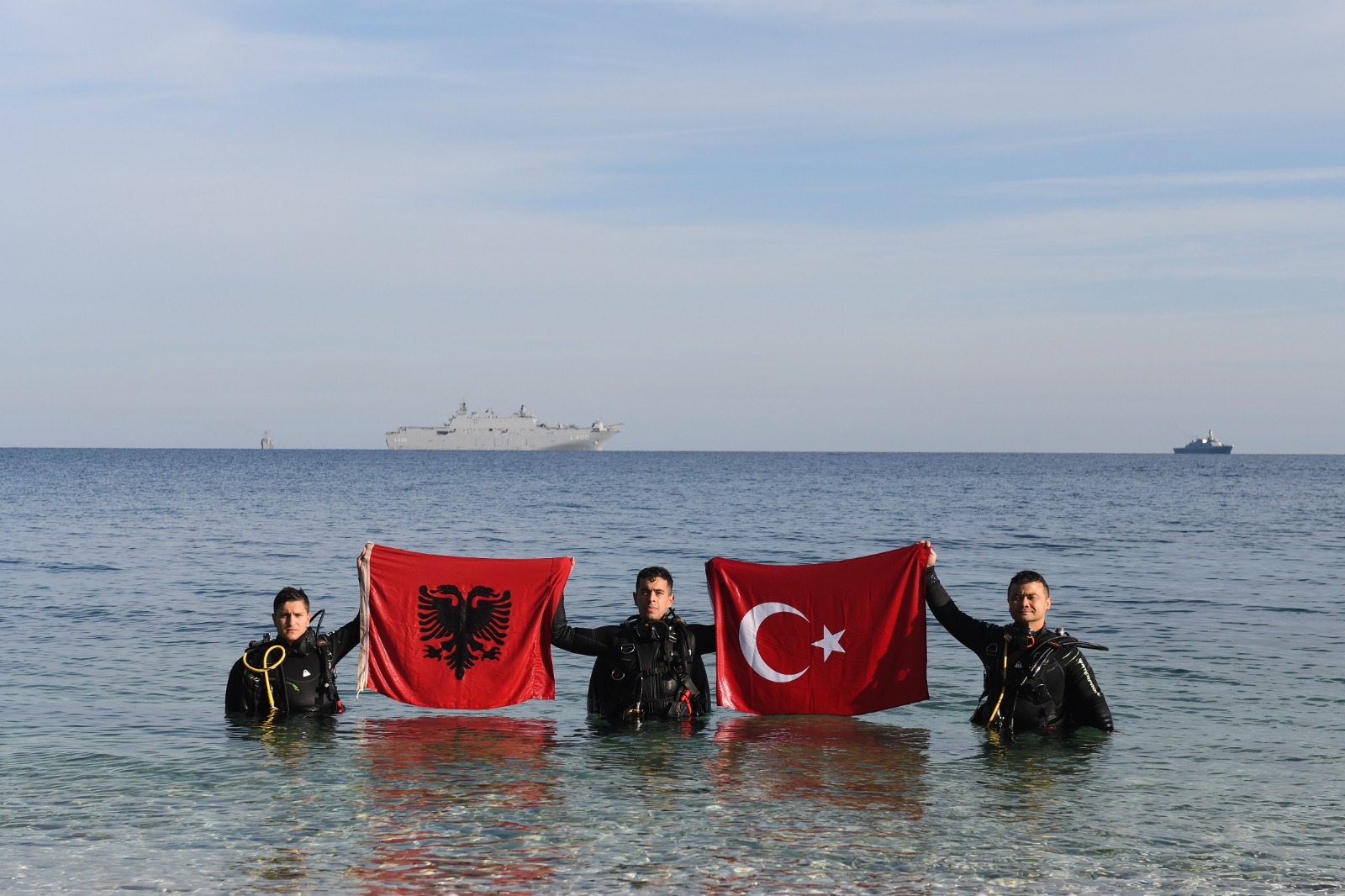
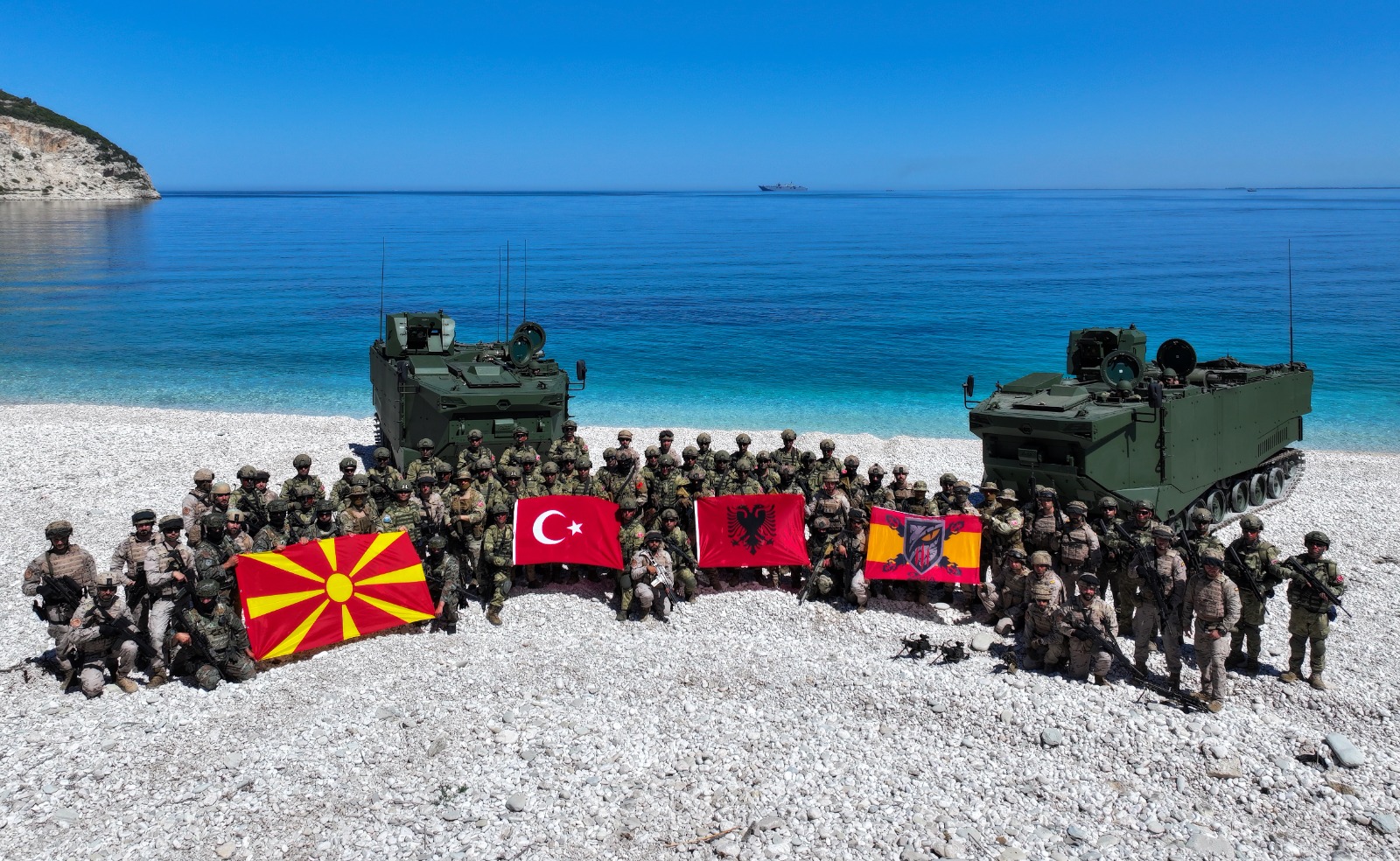
Under the agreements Turkey and its partners will collaborate in a range of military and defense areas, including training and education, joint exercises, defense industry cooperation, intelligence sharing, logistics support, medical services, cyber defense, peacekeeping missions and countering landmines and improvised explosive devices. The agreements also facilitate personnel exchange, joint research in military science and technology and operational cooperation in humanitarian assistance and disaster relief missions.
Turkey views such formal military agreements as stepping stones for deeper defense ties and future deals. They also serve as a reference for broader defense industry cooperation. A strategy initially linked to Turkey’s sale of drones produced by President Recep Tayyip Erdogan’s son-in-law’s company Baykar has since expanded to include various defense products.
Nordic Monitor previously reported that Turkey has been increasingly leveraging comprehensive framework agreements to obscure subsequent military, defense and intelligence deals from public scrutiny. The report cited Brig. Gen. Esat Mahmut Yılmaz, head of the General Directorate of Legal Services at Turkey’s Defense Ministry, who disclosed this approach in a May 21, 2024, closed-door session with the Foreign Affairs Committee in parliament.
According to Yılmaz, Turkey has consolidated the three agreements, which were initially negotiated separately, into a single framework to expedite engagement in foreign military operations.
Once ratified and published in the Official Gazette, these agreements will allow the Turkish military to enter secondary deals with foreign partners without requiring further parliamentary approval. This method limits public debate on the scope and extent of Turkey’s overseas military activities. By streamlining the approval process, Ankara aims to remove bureaucratic obstacles and ensure continuity in its defense engagement. Analysts note that this approach mirrors similar strategies used in previous defense agreements with African and Central Asian nations, where Turkey has sought long-term defense partnerships through overarching legal frameworks.
Until recently, Turkey negotiated separate agreements for military training, defense industry cooperation and general military collaboration. However, the government has now streamlined these into broader framework agreements. This approach, particularly applied to partners in Africa, Eastern Europe and Asia, aims to accelerate military operations, minimize bureaucratic hurdles and keep secondary agreements confidential. Such agreements have played a crucial role in Turkey’s growing defense influence, particularly in countries where Turkish military technology and training programs have been well received.
“We used to present these three separately as individual agreements to our parliament. However, we later combined all three. We now negotiate these under a single framework and defense cooperation agreement,” Yılmaz said.
As of December 2024 Turkey had signed military framework agreements with 89 countries and military training cooperation agreements with 65. Negotiations are ongoing with 47 nations for military framework deals and 13 for training agreements. Additionally, Turkey has signed defense industry cooperation agreements with 90 countries.
Most international agreements processed by the Turkish Parliament in recent years have fallen under these broad military frameworks. Notably, the Foreign Affairs Committee, rather than the Defense Committee, often oversees their review and approval despite lacking expertise in military affairs. This suggests an effort by the Erdogan administration to limit parliamentary scrutiny. Lawmakers critical of the government have raised concerns about the lack of transparency in such agreements, arguing that they grant excessive discretion to the executive branch in military affairs.
Erdogan’s strong personal interest in foreign military and defense deals has played a significant role in accelerating such agreements. His family has benefited financially from military hardware sales, particularly the Bayraktar drones produced by Baykar. Over the years, the Erdogan family has also reportedly profited indirectly from commissions tied to defense contracts, facilitated through favorable government policies such as no-contest bids, tax breaks and subsidies.
Text of the military framework agreements with Albania, Kosovo and North Macedonia: